Angklung Arunika Concert Marks 16 Years of UNESCO Recognition
The Arunika Women’s Arts Community and M Bloc Space hosted a cross-generational concert in Jakarta to celebrate World Angklung Day and the bamboo instrument's 16th anniversary as a UNESCO Intangible Cultural Heritage.
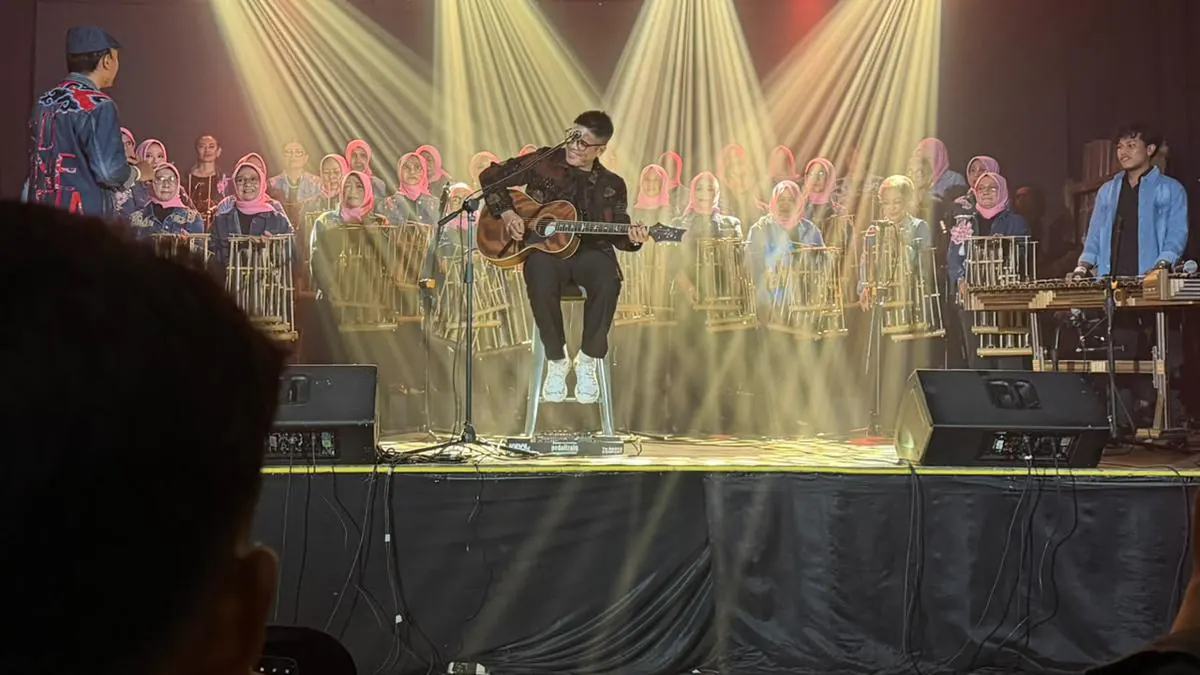
The Arunika Women’s Arts Community, in collaboration with M Bloc Space, held a concert titled "Angklung: The Journey of Heritage Music" at the M Bloc Live House in Blok M, Jakarta, on Saturday (21 November 2026). The event featured more than 100 artistic participants and support performers.
Celebrating Intangible Cultural Heritage
According to reports from Liputan6, the event was timed to coincide with World Angklung Day. This occasion also marked 16 years since UNESCO recognised Indonesia’s angklung as an Intangible Cultural Heritage of Humanity on 16 November 2010. The concert was designed as a collaborative space, blending the traditional bamboo musical instrument with various modern genres.
Diana Gita Akmal, Chairperson of the Arunika Women’s Arts Community, stated that for her community, the angklung is not merely a musical instrument inherited from the past. She described it as a space for continuous learning, creativity, and building human connections without age barriers.
The main stage featured performances by Angklung Arunika, the University of Indonesia Alumni Choir (Paduan Suara Alumni Universitas Indonesia or PSAUI), Angklung Telesandi, and the Nan An Residents Association Angklung Group. Two popular musicians, Baim and Tanayu, also participated in this cross-generational collaborative project.
Arunika and Its International Footprint
One unique aspect of the concert was the diverse backgrounds of the performers, particularly the members of Angklung Arunika. The community is predominantly composed of senior women with varied professions, ranging from banking and education to law. For them, arts serve as a means to maintain productivity during retirement while fostering friendships among members.
Arunika’s activities extend beyond local stages. Previously, the community represented Indonesia internationally at the International Jazz Festival in Tashkent, Uzbekistan, in 2025. They also participated in the ARTJOG performance program in Yogyakarta in 2026. These engagements demonstrate how traditional arts can serve as effective bridges for cultural diplomacy when packaged with a contemporary approach.
The dimension of cultural acculturation was also evident in the participation of the Nan An Residents Association Angklung Group. This community of senior citizens of Chinese descent uses the angklung as a medium to build unity, transcending ethnic and religious boundaries. This phenomenon underscores the role of art in social cohesion within Indonesia’s pluralistic society.
Musical exploration in the concert was extensive. Performers combined angklung sounds with choirs, arumba (a bamboo percussion instrument), ukulele, and elements of pop, rock, and contemporary music. Organisers even prepared interactive sessions allowing the audience to try playing the bamboo instruments directly, shifting the audience’s position from passive observers to active participants.
Relevance of Traditional Art Preservation
For readers in Indonesia, initiatives like this are relevant because they offer an inclusive and sustainable model for cultural preservation. Traditional arts are often perceived as outdated or exclusive to a few experts. However, cross-generational and cross-genre collaborations like those undertaken by Arunika prove that the angklung can remain vibrant and appealing to modern markets without losing its traditional essence.
The practical impact is visible in the potential for the creative economy. By integrating traditional arts into commercial performances in public spaces like M Bloc, artists open new opportunities for the local entertainment industry. This also encourages the regeneration of traditional musicians, showing young people that mastering regional instruments is not embarrassing but rather an achievement worth showcasing on world stages.
Furthermore, the involvement of elderly communities in artistic activities provides a positive example for mental and social health in the post-pandemic era. Group activities like these help reduce social isolation among older adults, an increasingly important issue as Indonesia’s elderly population grows.
Upcoming Schedule
As of this report, there has been no official information regarding the next tour schedule for the Arunika community following their appearance in Jakarta. However, the successful collaboration with popular musicians such as Baim and Tanayu opens possibilities for recording projects or similar performances in other cities. The public now awaits whether this interactive and cross-genre format will become a new standard for cultural festivals in Indonesia.