Former Maid Unsurprised by Erin Wartia’s Suspect Status
The legal representative for Nur, former domestic worker of Indonesian celebrity Erin Wartia, stated that his client was not surprised by the police naming her employer a suspect. A separate civil lawsuit regarding unlawful acts remains ongoing.
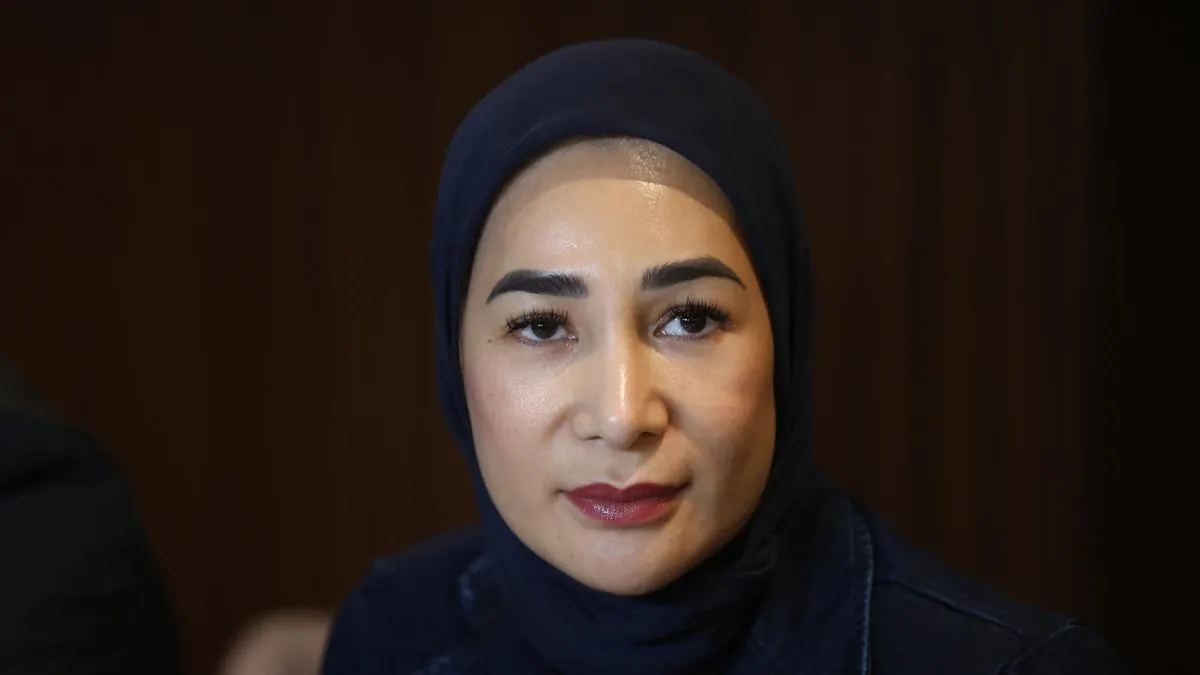
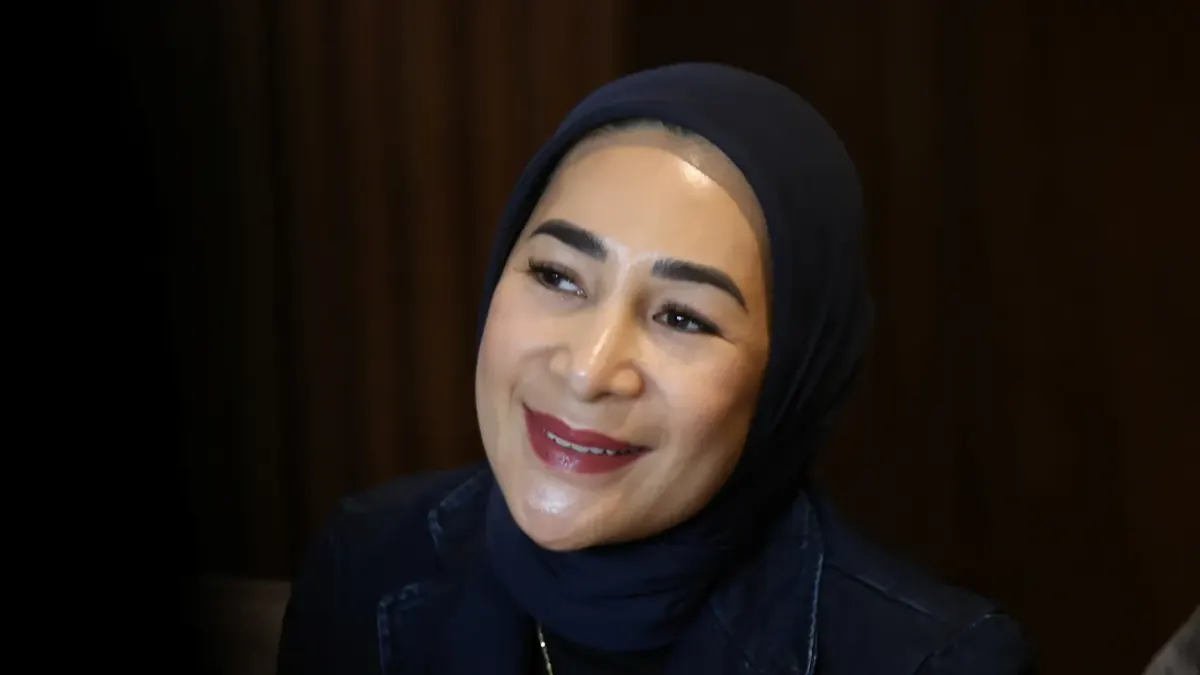
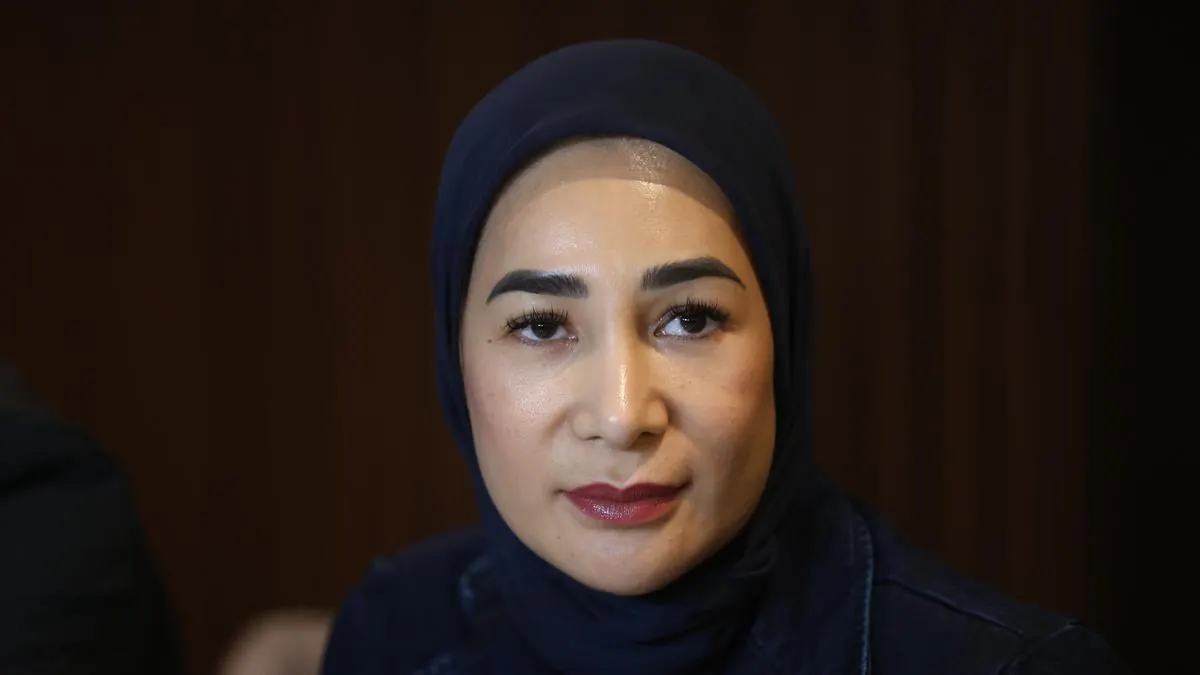
The designation of Indonesian celebrity Erin Wartia as a criminal suspect by the South Jakarta Metro Police has drawn a reaction from her former domestic worker, Nur. Through her lawyer, Basuki, Nur stated she was unsurprised by the development in the criminal case, as reported by Liputan6.
Legal Response and Civil Proceedings
Basuki explained that his client viewed the news calmly because she had personally experienced the conditions while working in Erin’s household. "Teh Nur took it normally because she knows and felt what happened when she was inside," Basuki told reporters on Sunday (22 November 2026).
Although the criminal charges against Erin are distinct from the legal actions taken by Nur, Basuki clarified that they have still filed a civil lawsuit for unlawful acts (perbuatan melawan hukum or PMH) at the South Jakarta District Court. The basis for this claim includes allegations of confiscating personal items such as an ID card (KTP) and mobile phone, as well as mistreatment during the employment period.
The trial for this civil suit has now entered the rebuttal stage. The legal team continues to monitor the proceedings while supporting witness testimonies in the criminal case handled by the police.
Dynamics of Domestic Worker Cases
The case involving Erin Wartia and her former employee highlights the structural vulnerabilities often faced by domestic workers (ART) in Indonesia. Reports from worker protection agencies frequently note that conflicts between employers and domestic workers escalate into disputes over basic rights, ranging from identity document possession to freedom of communication. The confiscation of a KTP, for instance, is not merely an administrative issue but a form of physical control that restricts mobility and access to public services for migrant or domestic workers.
Legally, the relationship between employers and domestic workers in Indonesia is governed by Law Number 18 of 2017 concerning the Protection of Indonesian Migrant Workers (for overseas contexts) and various regional regulations and general labor norms for domestic contexts. However, implementation is often weak due to the private nature of the work and minimal state oversight. Many domestic workers lack clear written contracts, making evidence such as chats, voice recordings, or testimony crucial when disputes arise.
The term "unlawful act" (PMH) in civil lawsuits refers to actions that violate legal obligations or another person's rights, causing loss. In the context of domestic workers, PMH can include withholding wages, physical violence, or seizing personal property without court permission. Unlike criminal cases, which require proof of malicious intent (mens rea) and at least two pieces of evidence, civil lawsuits focus more on compensation and the restoration of rights. This allows victims to seek financial compensation even if the criminal process is incomplete or if the perpetrator is not found criminally liable.
Precedents from similar cases show that dual paths—criminal and civil—are often pursued by victims of domestic violence. This strategy aims to provide comprehensive legal pressure while ensuring material accountability. However, the biggest challenge for domestic workers remains the courage to report and access free legal aid, given their low bargaining power compared to employers.
Importance of Protecting Domestic Worker Rights
For Indonesian readers, this case serves as a reminder of the urgency to protect the often-neglected rights of domestic workers. Many upper-middle-class urban households rely on ART, yet few realize that actions like holding onto IDs or phones can have serious legal implications. Awareness of the limits of employer authority needs to be raised so that work relationships do not devolve into exploitation.
A practical impact of this case is increased public attention to standard operating procedures (SOPs) for recruiting domestic workers through official agencies. Credible agencies typically provide standard employment contracts that protect both parties, including clauses for the return of identity documents and humane working hours. For prospective employers, this serves as a reminder that compliance with labor laws is not just about morality, but also mitigating legal risks that could lead to defamation or large damage claims.
Meanwhile, for workers, this case opens space for discussion on the importance of documenting every interaction with employers. Digital evidence such as text messages or photos of workplace conditions can become powerful weapons in court, both in criminal and civil realms. Additionally, networks of domestic worker communities and non-governmental organizations (NGOs) are becoming increasingly active in providing legal assistance, so victims no longer have to fight alone.
Next Steps in Legal Process
As of this writing, there has been no official information regarding the schedule for the next hearing of Nur’s civil lawsuit at the South Jakarta District Court. The ongoing rebuttal stage indicates that both parties have exchanged answers and replies, leaving them waiting for an interim decision or moving to the evidentiary phase.
Regarding Erin Wartia’s criminal case, the police have not announced any agenda for further examinations or the possibility of summoning additional witnesses. The public awaits clarity on whether other domestic workers will join separate police reports, as suggested by Nur’s lawyer. There has been no official confirmation from Erin Wartia or her legal team regarding denials or defense strategies against the accusations.