Rachel Aseelah Details Challenges of Filming '5cm Revolusi Hati' at Sea
Actress Rachel Aseelah reveals the logistical difficulties of shooting '5cm Revolusi Hati' in Banyuwangi, where scenes depended on unpredictable plankton blooms.
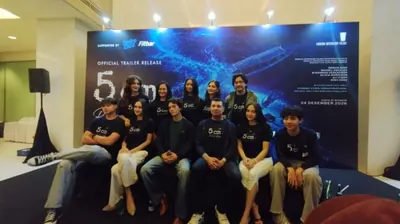
Actors Rachel Aseelah and Bima Sena shared unique experiences from the filming process of 5cm Revolusi Hati in the waters off Banyuwangi. According to reports from IntipSeleb, the two stars faced significant natural challenges, particularly their dependence on plankton phenomena to achieve the cinematic visuals required by director Sunil Soraya.
Natural Challenges in Production
Filming at sea is not just about location; it also involves timing and unpredictable natural conditions. Rachel Aseelah, who plays the character Azizah, revealed that the appearance of plankton was a determining factor for the smooth running of the shooting schedule. If this natural phenomenon did not occur as hoped, the production team was forced to postpone scenes until the next day.
"The process was exhausting because if we didn't get the plankton, we had to change days," said Rachel during the trailer launch on Tuesday, 24 November 2026. Physical and mental fatigue were consequences of this natural uncertainty, demanding extra patience from the entire crew and cast.
On the other hand, Bima Sena found the natural beauty of Banyuwangi to be an unforgettable memory. He mentioned that the scenery upon their first arrival at the shooting location left a deep impression, helping to refresh spirits amidst the dense production schedule.
Banyuwangi as a National Film Destination
Selecting Banyuwangi as the primary backdrop for a major film production is not new in the Indonesian film industry. This region at the eastern tip of Java Island has long been known as a "Hidden Paradise" due to its diverse landscapes, ranging from black sand beaches and protected forests to volcanic mountains. For filmmakers, this location offers strong visual aesthetics without the high production costs associated with building artificial sets.
The plankton phenomenon, or bioluminescence, often referred to as "sea of fire," is a rare natural attraction seen in few places worldwide. Its appearance is heavily influenced by water temperature, ocean currents, and seasons. In the context of film production, relying on such natural elements requires meticulous logistical planning. Producers must allocate buffer time in the shooting schedule to anticipate technical failures caused by weather or natural factors. This differs significantly from studio shoots, where lighting and effects can be fully controlled.
Sunil Soraya, serving as both producer and director, has a long track record of producing large-scale films with complex visual details. The decision to take cameras out to sea demonstrates a commitment to image authenticity. However, this step also increases operational risks. Weather in the Bali Strait, for example, can change drastically within hours, affecting boat stability and the quality of natural light entering the camera lens. Actors like Rachel and Bima were required not only to memorize dialogue but also to maintain physical stamina while dealing with ocean waves and extreme temperature changes.
Impact on the Local Creative Industry
The presence of major film productions in regions like Banyuwangi brings tangible economic benefits to local communities. Hotels, restaurants, local transport services, and accommodation providers for crews receive additional income during the shooting period. This aligns with regional government efforts to promote tourism through popular media. When a film is released nationally, destinations featured in it automatically become targets for tourists seeking similar experiences to those of the characters.
For Indonesian audiences, information about the difficulties of filming in open nature adds appreciation for the final product. Viewers are invited to understand that every second of beautiful imagery on screen is the result of battling natural uncertainty. This also opens discussions about the importance of adequate tourism infrastructure support to facilitate such creative activities in the future. With more films choosing exotic locations outside Jakarta, the potential for regional-based creative economy growth will strengthen, provided coordination between producers and local stakeholders runs smoothly.
Release Schedule and Audience Anticipation
5cm Revolusi Hati is scheduled for simultaneous release in cinemas across Indonesia on 24 December 2026. This release date coincides with the Christmas and New Year holiday period, historically a peak time for cinema attendance. This strategy aims to maximize ticket sales amid public enthusiasm, which typically rises during school holidays and collective leave.
As of this report, the production house has not announced plans for further promotional tours to other cities following the trailer launch. The main focus currently appears to remain on finalizing post-production and distributing digital promotional materials to attract young generations, who are the primary target market for this adventure romance genre film.