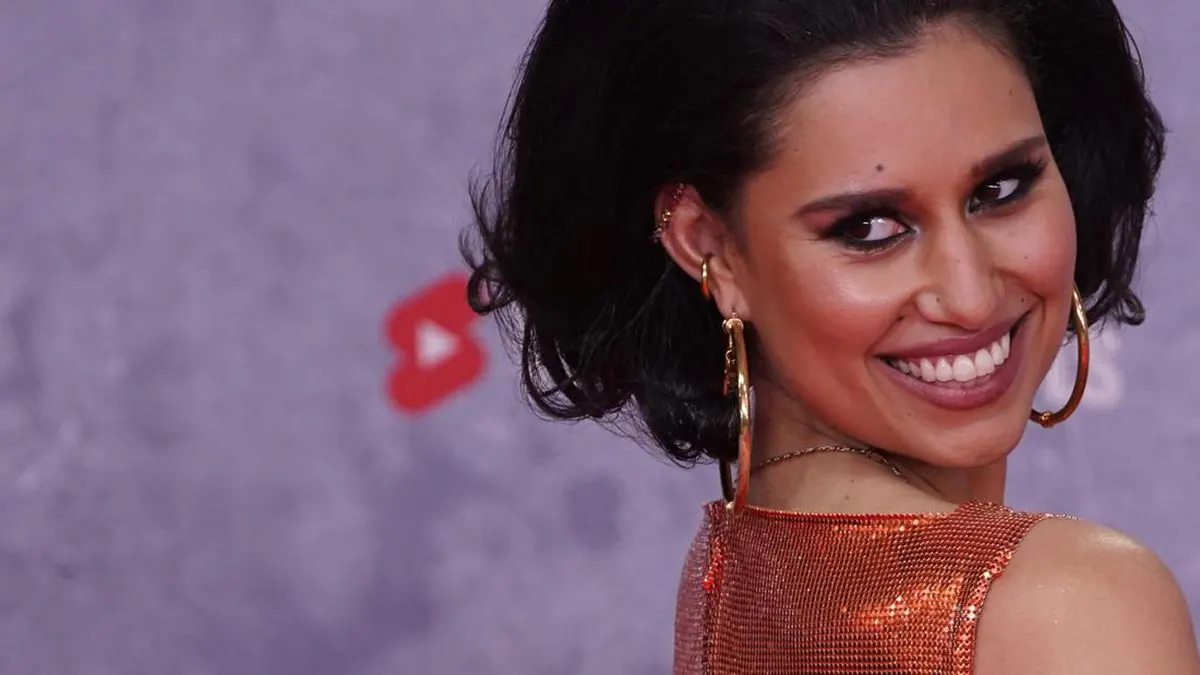
Sakura of LE SSERAFIM Sparks Debate with 'Underboob' Look at MAMA Awards 2026
The K-pop idol's modified Grace Ling dress at the 2026 MAMA Awards ignited online discussions on artistic freedom, cultural norms, and fan expectations.
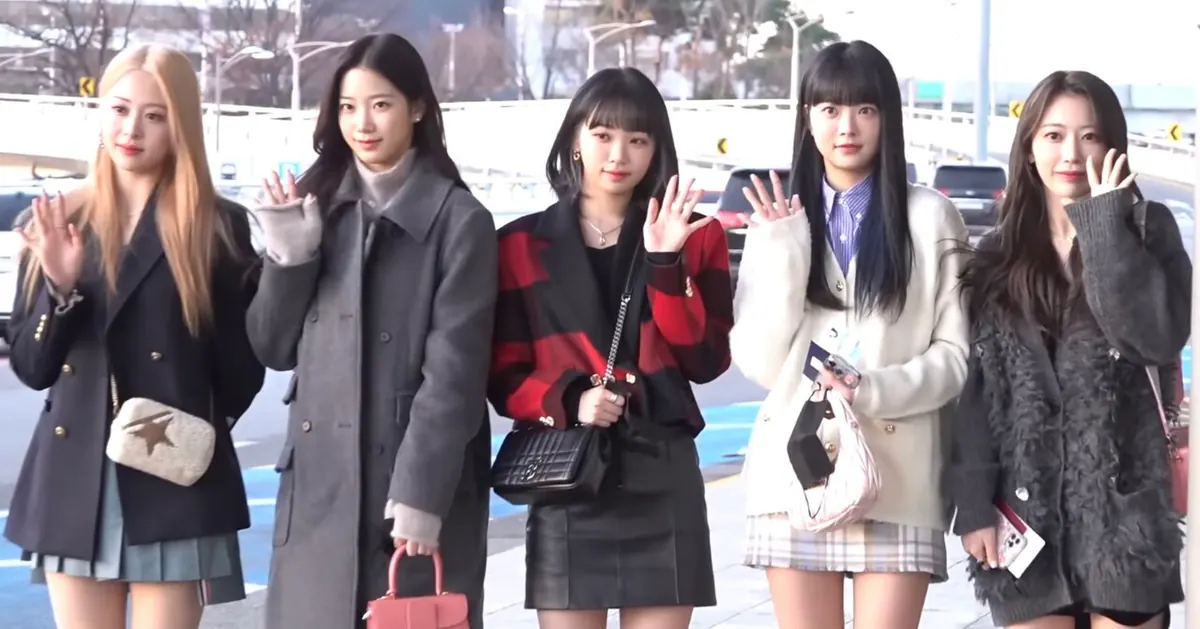
Sakura, a member of the K-pop group LE SSERAFIM, became the center of public attention following her appearance on the red carpet of the "2026 MAMA Awards" on 21 November. Her bold fashion choice triggered heated discussions regarding freedom of expression and aesthetic norms within the South Korean entertainment industry.
Public Reaction to Unique Attire
At the event, LE SSERAFIM appeared in a black-and-white theme, though each member selected a different dress cut. According to reports from Koreaboo, Sakura wore a design from Grace Ling’s Spring/Summer 2026 collection. She modified the designer’s original look by adding a second bralette beneath a hooded top, creating a visual effect known as "underboob."
Fan responses were divided. Many netizens praised her courage and visual aesthetics, describing the look as the peak of stylistic assertiveness. However, this is not the first time Sakura’s clothing choices have been criticized for being too revealing in recent months.
Debate on Aesthetics and Freedom of Expression
Viral phenomena like Sakura’s reflect the complex dynamics between K-pop idol imagery and societal expectations. The South Korean entertainment industry has a long history of regulating artist appearances through exclusive contracts and strict style guidelines. Yet, over the past decade, there has been a significant shift as agencies begin granting idols more autonomy to determine their own artistic direction.
An idol’s choice of attire is often not just about personal aesthetics but also global marketing strategy. Groups like LE SSERAFIM, managed by Source Music (a subsidiary of HYBE), actively target international markets. In Western markets, "fashion-forward" concepts and daring dressing are often viewed as forms of self-empowerment or modern feminist statements. Conversely, conservative norms remain strong in East Asian domestic markets, leading to cultural perception clashes when such content spreads across borders via social media platforms.
The term "underboob" refers to the lower part of the breast visible when wearing tight or short clothing. In high fashion contexts, this technique is often used to artistically highlight body silhouettes. However, when applied by pop idols, interpretations can shift toward sensationalism. Online discussions typically involve two poles: those supporting individual rights over one’s body versus those who feel community moral standards are violated. This tension is exacerbated by social media algorithms that tend to promote provocative content to boost engagement, turning minor debates into global trending topics within hours.
Impact on Fans and Local Fashion Trends
For Indonesian fans, news of this nature holds dual relevance. First, from a creative economy perspective, K-pop idol fashion trends are often translated into local market demand. Young designers in Indonesia frequently adapt elements from K-pop stages into their collections, creating new business opportunities. When a style goes viral, as in Sakura’s case, online stores and local boutiques often see a surge in searches for similar items or more affordable alternatives.
Second, there is a social dimension worth noting. Young fans in Indonesia, who constitute the largest demographic of K-pop consumers, often view idols as role models. Debates surrounding Sakura’s outfit can spark discussions on body positivity and social pressure on women. For some, supporting Sakura’s bold style is a form of solidarity against body shaming. For others, criticism may stem from values of modesty upheld by families or school environments. Understanding this cultural context is crucial to ensuring healthy interactions on social media that do not devolve into cyberbullying.
Future Direction of LE SSERAFIM’s Image
As of this report, neither Source Music nor Sakura has issued an official statement regarding this specific controversy. Typically, Korean entertainment agencies remain silent on fashion issues unless they directly impact promotional schedules or the reputation of major brands collaborating with them.
What remains to be seen is how LE SSERAFIM maintains consistency in their visual identity amidst public scrutiny. With ongoing world tour agendas and new music releases, the management team will likely balance style innovations that attract media attention with maintaining good relationships with a culturally diverse fanbase. Long-term reactions will reveal whether this style is accepted as an artistic evolution or triggers minor boycotts from conservative groups.