Syafira Haddad Reveals Daughter Jema Diagnosed With Mild ASD, Sparking Debate on Disability Parody Trends
Indonesian influencer Syafira Haddad publicly disclosed that her daughter, Jema, has been diagnosed with mild Autism Spectrum Disorder (ASD). The announcement follows a viral zoo visit video and reignites criticism of past disability parody content involving the family.
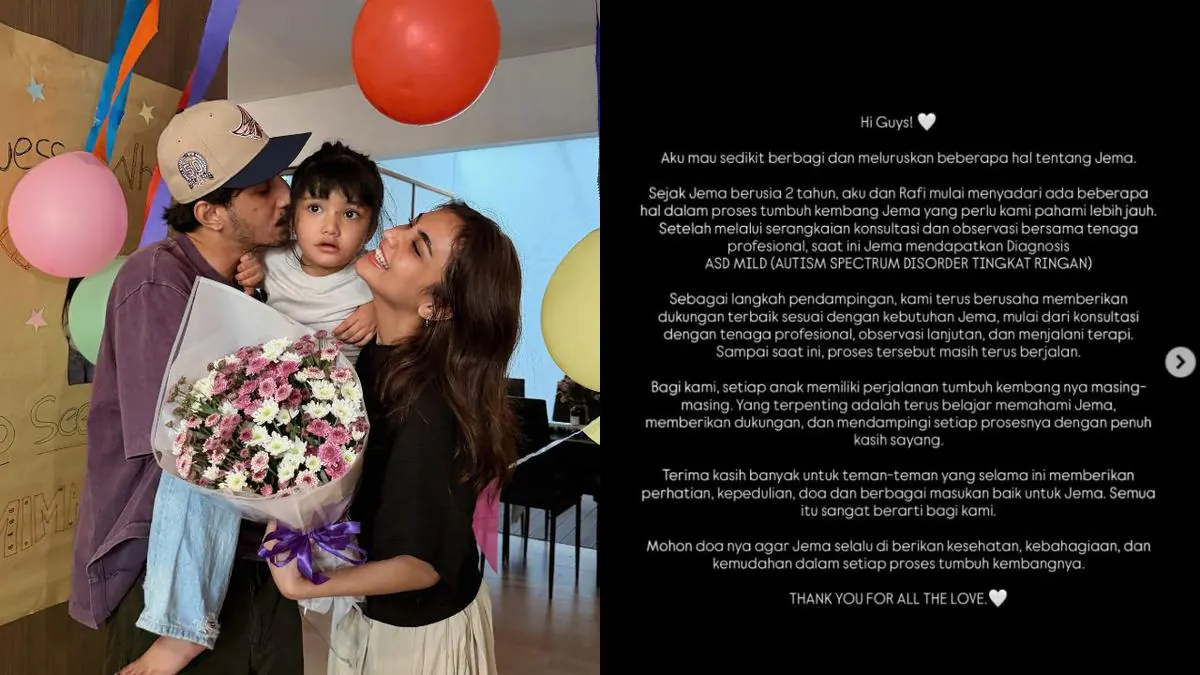
Indonesian influencer Syafira Haddad has publicly revealed that her daughter, Jema, has been diagnosed with mild Autism Spectrum Disorder (ASD). The statement was shared via an Instagram post on Friday, 6 November 2026, following a viral video of the family’s visit to a zoo that drew significant public attention.
Diagnosis and Public Response
The context for this disclosure stems from Jema’s behavior in a video where she was seen pulling a snake’s head and approaching a monkey cage despite posted warnings. In response to netizen concerns regarding child safety, Syafira explained that awareness of Jema’s developmental condition had emerged when the child was two years old. According to reports by Liputan6, after a series of consultations with professionals, it was confirmed that Jema has mild ASD.
In her explanation, Syafira and her husband, Rafi, affirmed their commitment to supporting ongoing therapy and observation. They emphasized that every child has a unique journey and that full, loving support is the family’s priority. They also expressed gratitude for the prayers and positive feedback from the public during this process.
Irony of Disability Parody Trends
The revelation of the diagnosis indirectly revived long-standing discussions about digital content ethics in Indonesia. Some time ago, Syafira participated in a disability parody trend that was heavily criticized by the neurodiversity community. Content creator Sadam Permana, who lives with a tic disorder, previously produced a compilation video highlighting influencers who joined the trend, including Syafira, as a form of protest against the normalization of negative stereotypes.
Netizens now view the situation as a major irony. On one hand, a mother is struggling to understand her child’s neurodevelopmental condition; on the other, she was once part of a content wave perceived as mocking similar conditions. This discussion opens new educational space for the public on how social media should handle mental health and disability issues without demeaning individual dignity.
ASD Education in Digital Spaces
Autism Spectrum Disorder (ASD) is a neurodevelopmental disorder that affects communication skills, social interaction, and behavior. The term "mild" in current diagnostic contexts often refers to Level 1 support needs, where individuals may require assistance in certain social situations but can function independently in many aspects of daily life. It is important to understand that ASD is not a curable disease, but a lifelong condition requiring adaptation strategies and early intervention.
In Indonesia, public understanding of ASD is still evolving. Many parents hesitate to seek professional help due to social stigma or ignorance of early symptoms. Signs such as difficulty with eye contact, speech delays, or highly restricted interests are often misinterpreted as shyness or spoiled behavior. Syafira’s case highlights the importance of early detection; recognizing behavioral differences at age two allows for faster and more effective access to speech, occupational, and behavioral therapies.
The role of influencers in disseminating mental health information is becoming increasingly crucial. When public figures share personal experiences with transparency, it can reduce the isolation felt by other families with similar conditions. However, moral responsibility remains: content must be based on empathy, not on exploiting emotions or harmful stereotypes within the disability community.
Social Impact and Content Ethics
For Indonesian readers, this case offers valuable lessons on digital literacy and social empathy. First, disclosing a child’s diagnosis by parents is a complex privacy right. Although Syafira chose openness for educational purposes, the public must respect the boundary between sympathy and privacy invasion. The best support is giving the family space to focus on therapy without constantly bringing up the past or judging their parenting decisions.
Second, the phenomenon of "cancel culture" or retrospective scrutiny of old content reminds us that digital footprints are permanent. Influencers who participated in controversial trends now face higher demands for accountability. This drives a shift in the creative climate, where content creators are becoming more selective and educational when addressing sensitive themes. For ordinary parents, this story validates that seeking professional help is a brave step, not a sign of failure.
Direction of Family Support
To date, there has been no official statement on whether Syafira will change her content strategy or communication approach on social media following this disclosure. The family’s primary focus appears to remain on the continuity of Jema’s therapy and maintaining a balance between privacy and public education. What loyal followers await is the continuation of Jema’s developmental journey, which is hoped to serve as a source of inspiration and accurate information for other parents struggling to understand their children’s conditions.